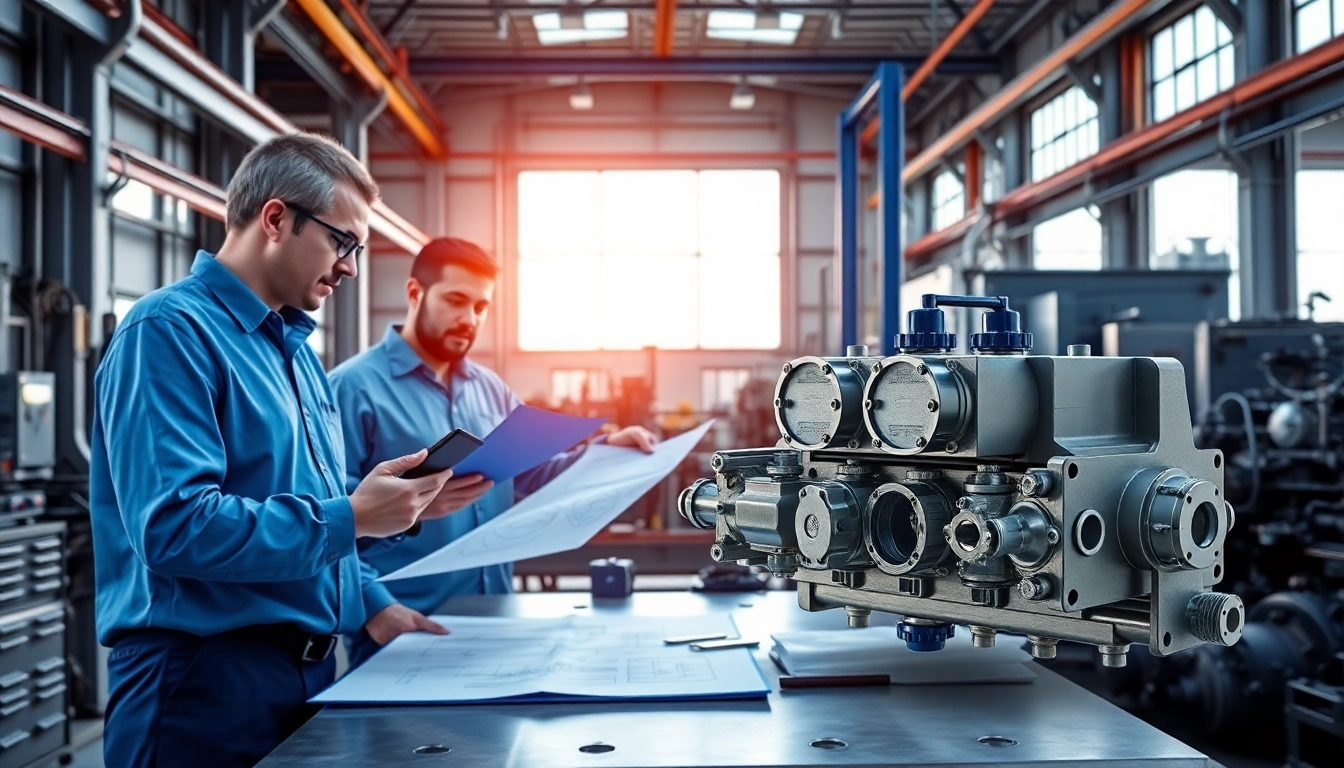

Understanding Precision Machining in Malaysia
Precision machining has become a cornerstone of modern manufacturing, enabling businesses to produce components and products that require intricate detailing and high operational reliability. In Malaysia, a rising hub for precision machining, companies are increasingly adopting these advanced techniques to enhance their manufacturing capabilities. Precision machining Malaysia focuses on high-quality production methods that cater to various industries, including automotive, aerospace, and electronics, reflecting the significance of this technology in driving economic growth.
What is Precision Machining?
Precision machining refers to the process of shaping materials—typically metals and plastics—into precise geometrical forms using specialized tools and machines. Techniques such as CNC (Computer Numerical Control) machining, turning, and milling allow manufacturers to achieve tolerances as tight as a few micrometers. This level of accuracy is essential for industries that demand high performance and reliability in their products, such as the aerospace and medical sectors.
The Importance of Precision Machining in Manufacturing
The role of precision machining in manufacturing cannot be overstated. It leads to:
- Improved Product Quality: Components produced using precision machining meet rigorous industry standards, resulting in lower failure rates.
- Catalyst for Innovation: It opens avenues for the development of complex designs that were previously unattainable.
- Cost Efficiency: Although initial setup costs can be high, the long-term savings from reduced material waste and increased operational efficiency are significant.
Key Technologies in Precision Machining
Malaysian manufacturers utilize various advanced technologies to enhance precision machining, including:
- CNC Machining: Uses computer algorithms to precisely control machining tools, allowing for high-volume production with consistency.
- 3D Printing: Enables rapid prototyping and the manufacturing of complex geometries that cannot be achieved through traditional machining.
- Laser Machining: Provides high accuracy and speed for cutting and engraving tasks.
Industry Landscape and Competitors
Malaysia’s precision machining sector is marked by a dynamic mix of local and international players. From established giants to emerging firms, the competition is ripe, and understanding this landscape is crucial for companies aiming to excel in this space.
Overview of Precision Machining Companies in Malaysia
Leading companies in this sector include:
- Tonasco: Specializes in high-mix low-volume precision components.
- Setsu Precision: Offers a comprehensive suite of CNC precision engineering solutions.
- Ares Precision: A hub for advanced CNC machining capabilities, catering to various industries.
Comparative Analysis with Global Players
While Malaysian firms have made significant strides, they face stiff competition from global players. Countries like Germany and Japan are known for their advanced manufacturing technologies and strict quality control measures. However, Malaysia’s strategic location and cost advantages provide a competitive edge, allowing local companies to carve a niche in the global market.
Market Trends and Growth Predictions for 2025
As we look towards 2025, the precision machining industry in Malaysia is projected to experience robust growth driven by:
- Increased Automation: More companies are expected to adopt automation technologies to enhance production efficiency.
- Focus on Sustainability: There’s a growing emphasis on sustainable manufacturing practices, including waste reduction and eco-friendly materials.
- Expansion of Technological Capabilities: Investments in R&D will lead to the adoption of innovative methods and materials.
Challenges in the Precision Machining Sector
Despite its advantages, the precision machining sector faces several challenges that companies must navigate to succeed.
Common Misconceptions About Precision Machining
Many organizations underestimate the complexity of precision machining, believing it to be simply about using advanced machines. In reality, it requires skilled personnel, meticulous planning, and a long-term vision to align with strategic goals.
Technical Challenges in High-Precision Production
Producing high-precision parts is fraught with technical challenges, including:
- Tool Wear: The degradation of cutting tools can significantly affect accuracy and quality.
- Material Variability: Differences in material properties can lead to inconsistencies in production.
- Complex Geometries: Designing parts that incorporate intricate details often requires advanced skills and technologies.
Regulatory and Compliance Issues in Malaysia
Compliance with local and international regulations, such as ISO standards, is critical. Navigating these regulatory landscapes can be challenging for companies that are not familiar with the requirements.
Best Practices for Precision Machining
To thrive in this competitive environment, companies should implement best practices that enhance their production processes and product quality.
Implementing Quality Control Measures
Quality assurance is vital in precision machining. Companies should employ rigorous testing methods and statistical process control to monitor production and ensure adherence to specifications.
Optimizing Production Processes for Efficiency
Streamlining processes through lean manufacturing techniques can help reduce waste and increase throughput. Techniques such as Just-In-Time (JIT) can also minimize inventory costs.
Innovative Techniques for High-Volume Manufacturing
Exploring advanced manufacturing technologies, such as additive manufacturing and robotic automation, opens up opportunities for cost-effective high-volume production.
The Future of Precision Machining in Malaysia
Looking ahead, the future of precision machining in Malaysia is shaped by several transformative factors.
Emerging Technologies: AI and Automation
Artificial Intelligence (AI) and automation are set to revolutionize precision machining. These technologies can enhance operational efficiency, improve predictive maintenance, and streamline production workflows.
Predictions for Market Evolution by 2025
By 2025, the Malaysian precision machining market is expected to evolve with greater integration of smart technologies, resulting in improvements in customization and customer engagement.
Skills and Training Needs for Future Professionals
As technology advances, there will be an increasing demand for skilled workers proficient in programming and operating sophisticated machinery. Establishing partnerships with educational institutions will be essential to ensure a skilled workforce.