Understanding Computer Recycling Slough
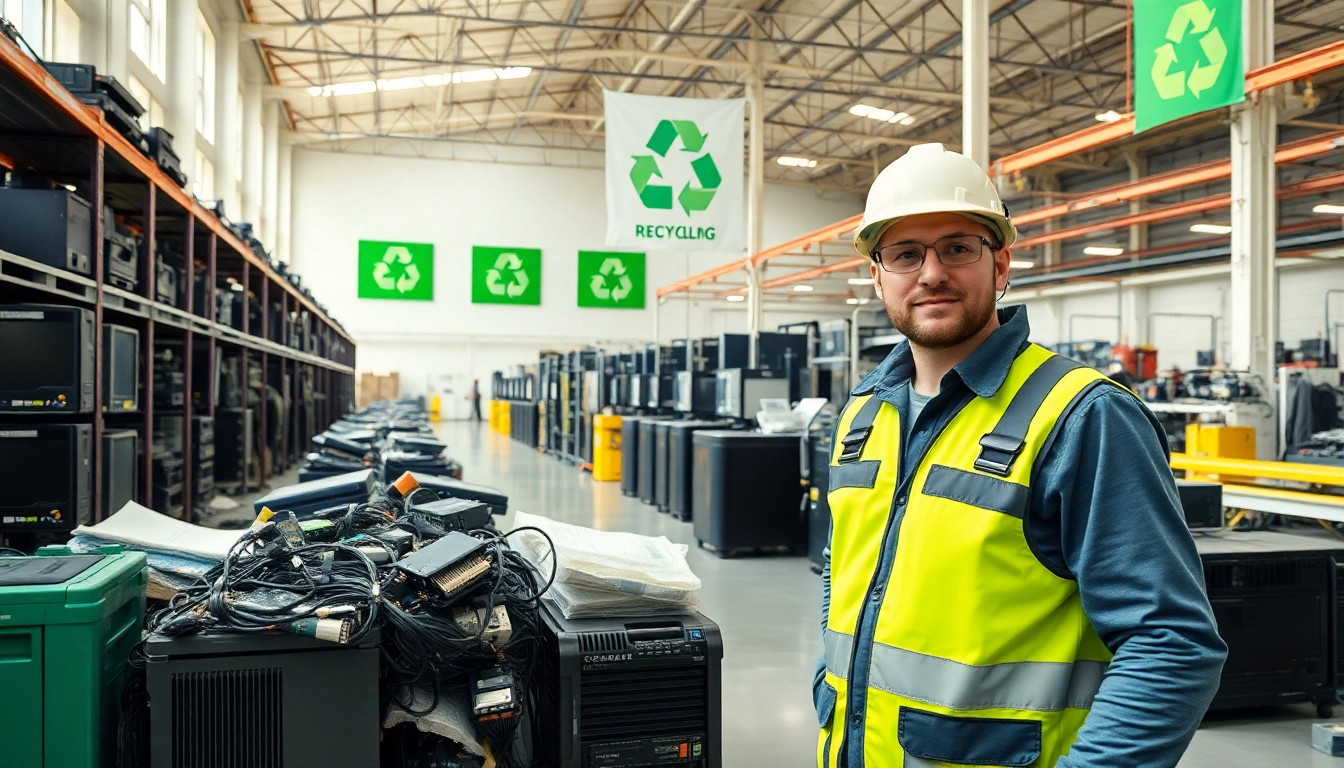
As technology rapidly evolves, obsolete electronics pile up, presenting a challenge to both individuals and businesses alike. With the critical need for sustainable practices, computer recycling slough emerges as a pivotal solution. This comprehensive guide will delve into the concept of computer recycling, its importance, and the environmental benefits associated with responsible electronic waste (e-waste) disposal.
What is Computer Recycling?
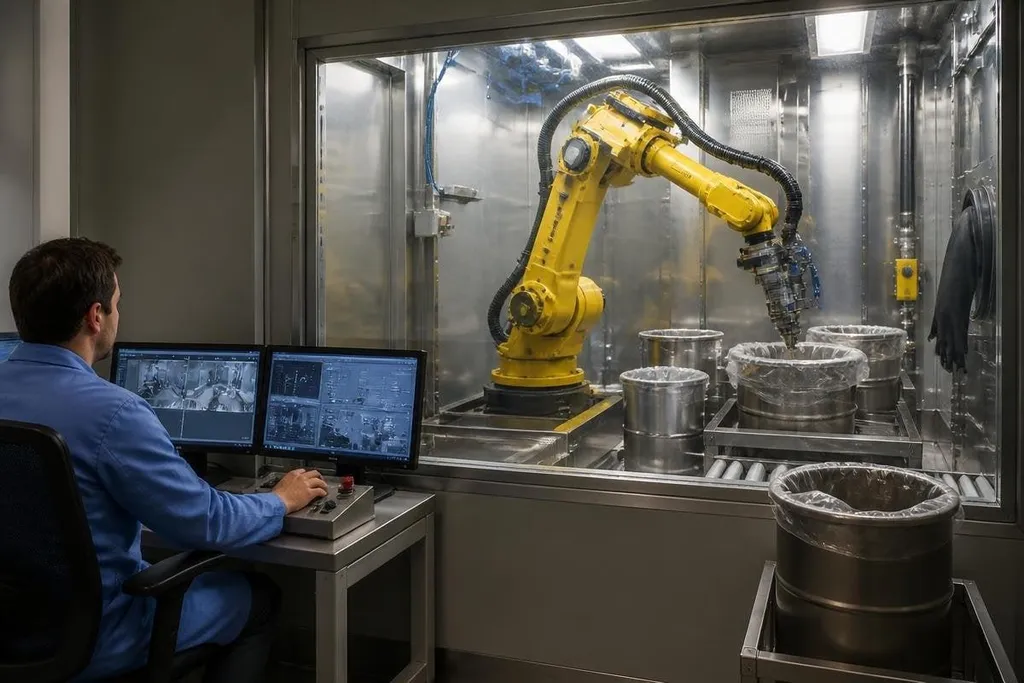
Computer recycling is the process of dismantling, reusing, refurbishing, and properly disposing of electronic waste to minimize the environmental impact. The process involves several steps, including collecting old electronics, sorting components, safe extraction of hazardous materials, and recycling usable materials such as metals, plastics, and glass. This approach not only reduces landfill waste but also conserves natural resources by facilitating the recovery of valuable materials.
Importance of Computer Recycling Slough
The significance of computer recycling in Slough lies in combating the growing e-waste crisis. As technology advances, the lifespan of electronic devices decreases, leading to increased waste. Recycling these items is crucial not just for environmental health, but also for compliance with regulations governing e-waste disposal. In the UK, legislation mandates responsible disposal methods to protect public health and the environment. By recycling, communities contribute to a circular economy, wherein materials from old devices are transformed into new products, thereby reducing the demand for virgin resources.
Environmental Benefits of Recycling Electronics
Recycling electronics offers substantial environmental benefits. Firstly, it reduces the volume of waste sent to landfills, where hazardous materials from devices can leach into the soil and groundwater. Secondly, recycling conserves energy—producing new products from recycled materials generally requires less energy than creating them from raw materials. Finally, this process helps to lower greenhouse gas emissions associated with manufacturing. Overall, responsible recycling supports a healthier ecosystem and mitigates the adverse effects of resource depletion.
How to Prepare for Computer Recycling Slough
Assessing Your Electronics for Recycling
Before recycling, it’s essential to assess which electronics are eligible for recycling. Check devices for labels indicating recyclability, and consider the overall condition of the equipment. Items such as old computers, laptops, smartphones, printers, and peripherals are commonly accepted. Make a list and identify any that might have a resale value; refurbishing them could be a preferred option before recycling.
Data Protection Before Recycling
Data security is paramount when recycling computers. Prior to recycling, users should ensure that all personal information is completely destroyed. This can be achieved through several methods, including factory resetting devices or using specialized data erasing software. In cases where sensitive information is involved, physical destruction of hard drives through shredding may be necessary to guarantee data protection, thus preventing unauthorized access.
Choosing the Right Recycling Facility
Selecting a reputable recycling facility is critical for ensuring that your e-waste is handled responsibly. Look for facilities certified by recognized organizations, which guarantee compliance with environmental and safety standards. Facilities should provide clear information on their recycling processes, including how they handle hazardous materials. Additionally, consider those that offer data destruction services if you need assurance that your data will be handled securely.
Best Practices for Computer Recycling Slough
Sustainable Recycling Methods
Sustainable recycling methods emphasize reducing waste and conserving resources. Facilities should ideally employ practices such as refurbishing working components for reuse, recycling materials into new products, and properly disposing of hazardous electronics in compliance with environmental regulations. Partnering with facilities that implement such methods supports sustainability, while ensuring electronics do not contribute to landfill waste.
Commonly Recycled Items
Among the frequently recycled items are desktop computers, laptops, monitors, keyboards, mice, printers, and other peripherals. Additionally, components like batteries, circuit boards, and hard drives can often be recycled or refurbished. To enhance recycling efforts, communities could set up collection programs or drive initiatives that educate residents about the types of items that can be recycled.
Recycling Regulations and Compliance
Understanding and adhering to local regulations regarding e-waste recycling is vital for residents and businesses alike. In the UK, the Waste Electrical and Electronic Equipment (WEEE) Directive governs the disposal and recycling of electronic equipment. This legislation outlines the responsibilities of producers and recyclers in minimizing electronic waste. Engaging with compliant recycling programs helps ensure that e-waste is processed responsibly and legally.
Local Resources for Computer Recycling Slough
Community Collection Events
Community-based collection events can encourage public participation in e-waste recycling. By organizing regular events, residents can declutter their homes of outdated electronics while promoting sustainable practices. These initiatives often provide residents with convenient and responsible recycling options, thereby raising community awareness of environmental issues related to e-waste.
Drop-off Locations in Slough
Identifying drop-off locations for electronics recycling in Slough simplifies the process for residents seeking to dispose of their old devices. Various local government initiatives and partnerships with recycling companies can provide accessible sites for electronic waste disposal. Check local council websites for up-to-date information on designated drop-off centers and their operational hours.
Partnerships with Local Organizations
Collaborating with local organizations can enhance recycling efforts in the community. Schools, non-profits, and environmental groups can play pivotal roles in education and outreach. By partnering with these organizations, recycling firms can harness community resources, bolster participation in recycling programs, and foster personal responsibility towards sustainable waste management.
FAQs About Computer Recycling Slough
Where can I recycle my old computer?
You can recycle your old computer at designated drop-off locations, community collection events, or through certified recycling facilities in Slough. Check local council websites for options.
How do I safely erase my data?
To safely erase data, perform a factory reset on your device or use specialized data erasure software. For sensitive data, consider physically destroying the hard drive for added security.
Are there any costs associated with recycling?
Many facilities offer free drop-off services for electronics recycling. However, certain specialized services, like data destruction, might incur a fee. Always verify with the recycling facility.
Can I recycle other electronics?
Yes, in addition to computers, many recycling facilities accept printers, smartphones, tablets, and other electronic devices. Always check the facility's accepted items list before recycling.
What happens to my e-waste after recycling?
After recycling, your e-waste is sorted into reusable parts and recyclable materials. Hazardous elements are safely disposed of, while valuable resources are reprocessed to create new products.