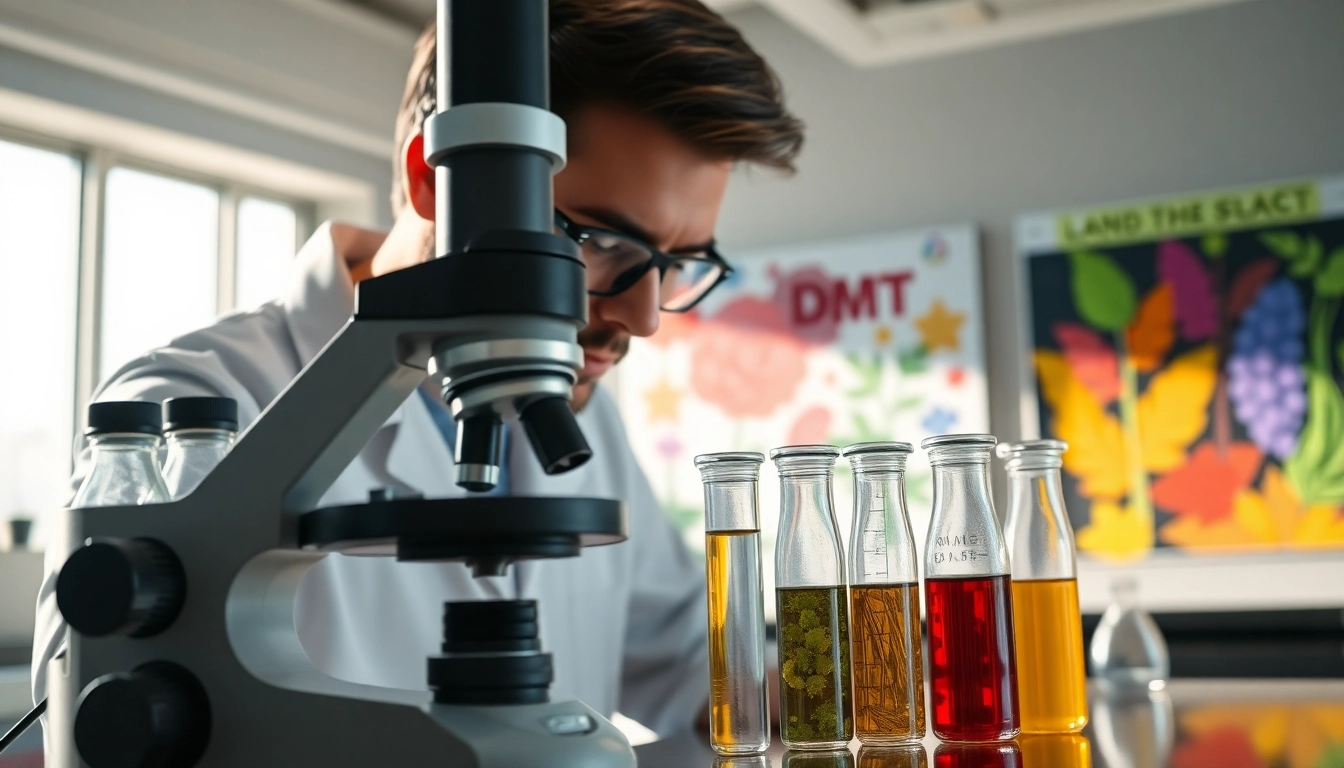
Introduction to DMT: Nature and Effects
DMT, or N,N-Dimethyltryptamine, is a fascinating substance that has captured the attention of psychonauts, researchers, and spiritual seekers alike. Known for its ability to induce profound psychedelic experiences, DMT can be how to get dmt from various sources, both natural and synthetic. This article delves into DMT’s nature, effects, sources, extraction methods, and important considerations for its use.
What is DMT?
DMT is a powerful hallucinogenic compound that occurs naturally in certain plants and animals. Structurally, it is similar to neurotransmitters such as serotonin and melatonin. Found predominantly in plants like Mimosa hostilis and Psychotria viridis, DMT is known for triggering intense visual and auditory hallucinations, often accompanied by a feeling of being transported to another dimension. It is classified as a Schedule I drug in many countries, signifying its federal illegality for most purposes.
Common Effects and Uses of DMT
The effects of DMT are rapid and striking, peaking within minutes of administration but can last up to an hour depending on the method of intake. Users often report vivid imagery, intense emotional releases, and a distinct alteration of consciousness. These experiences can range from euphoria and transcendence to challenging psychological confrontations. In various indigenous cultures, DMT is used for spiritual and healing purposes, often consumed in the form of ayahuasca, a traditional brew.
Legality and Safety Concerns
The legal status of DMT varies by country. In the United States, it is classified as a Schedule I drug, making its manufacture, distribution, and possession illegal without a special exemption. The safety of DMT isn’t fully understood, and while it is generally not considered physically addictive, psychological risks exist, including potential for anxiety or challenging experiences. Users should approach DMT with caution and ideally within a supportive framework.
How to Get DMT Naturally: Sources
Plant Sources of DMT
DMT can naturally be sourced from a variety of plants containing the chemical compound. Notable plant sources include:
- Mimosa hostilis: Frequently used in traditional ceremonies for its high DMT content.
- Psychotria viridis: Commonly used in ayahuasca brews.
- Diplopterys cabrerana: Another plant used in traditional practices in the Amazon basin.
- Desmanthus illinoensis: A lesser-known source that has also been used historically.
These plants serve as primary sources for those looking to extract or synthesize DMT, embedding it deeply in cultural rituals and modern psychonaut practices.
Traditional Uses of DMT in Cultures
Indigenous cultures, particularly in the Amazon rainforest, utilized DMT for centuries. In traditional healing practices, these communities consume DMT via ayahuasca, a potent psychotropic drink made from the combination of DMT-rich plants and an MAOI (Monoamine oxidase inhibitor) that allows the DMT to be orally active. These ceremonies are designed for healing, spiritual growth, and community bonding, marking DMT’s place in the cultural heritage of many indigenous tribes.
Legal Implications of Sourcing DMT
Understanding the legal landscape surrounding DMT is crucial for potential users. In many jurisdictions, the cultivation of DMT-containing plants remains legal, although the extraction and synthesis of DMT can lead to legal ramifications. Individuals considering sourcing DMT should familiarize themselves with local laws and regulations, as the potential for penalties varies widely based on location and context.
Extraction Methods: Step-by-Step Guide
Acid-Base Extraction Process
The acid-base extraction method is one of the most common techniques used to isolate DMT from plant sources. Below is a simplified overview of the process:
- Start with dried plant material, such as Mimosa hostilis.
- Grind the material to increase surface area for extraction.
- Mix the ground plant with an acidic solution (like vinegar or hydrochloric acid) to convert the DMT into a soluble salt.
- Filter the mixture to remove plant solids.
- Add a non-polar solvent (like naphtha or hexane) to extract the DMT freebase.
- Separately evaporate the solvent to isolate the DMT crystals.
This method requires caution, as the use of chemicals and solvents poses safety risks. It’s crucial to work in a well-ventilated area and wear appropriate personal protective equipment.
Utilizing Plant Materials for DMT
Aside from extraction, simply utilizing plant materials in traditional brews can be a holistic way of accessing DMT’s effects. The use of ayahuasca as a tea facilitates not only the consumption of DMT but also the ritualistic aspect, providing context to the experience. This method is particularly favored in therapeutic settings, offering both physical and psychological support.
Safety Precautions During Extraction
Engaging in DMT extraction requires an understanding of safety practices to mitigate risks. Consider the following precautions:
- Conduct experiments in a ventilated area to avoid inhalation of fumes.
- Use protective gloves and goggles to prevent skin or eye irritation.
- Always follow legal guidelines to avoid prosecution.
- Have appropriate handling and disposal methods for chemical waste.
Given the potential hazards associated with extraction, it may be advisable for individuals to seek supervised experiences, particularly if they are new to the process.
Potential Benefits and Risks of Using DMT
Therapeutic Applications of DMT
An emerging area of interest involves the therapeutic applications of DMT. Research suggests potential benefits in treating conditions like depression, PTSD, and anxiety through controlled psycho-spiritual experiences. Studies demonstrate that DMT may facilitate cognitive and psychological connections, aiding in emotional clarity, self-reflection, and consciousness exploration. These studies contribute to an evolving understanding of psychedelics in mental health treatment.
Physical and Psychological Risks
Despite the potential benefits, there are inherent risks associated with DMT. Physical repercussions can include anxiety, elevated heart rate, and nausea. Psychologically, individuals may experience challenging trips, leading to anxiety, confusion, or unsettling feelings about their experiences. Users with a history of mental illness should approach DMT with extra caution, as it could exacerbate underlying conditions.
Responsible Usage Guidelines
For individuals interested in exploring DMT, adhering to responsible use guidelines is essential. Key considerations include:
- Ensure you are mentally and physically prepared for the experience.
- Utilize DMT in safe, comfortable environments, ideally with a guide or sober sitter present.
- Start with lower doses to gauge individual sensitivity to the substance.
- Be mindful of the legality and ethical implications of sourcing DMT.
Developing these practices can support safer, more meaningful experiences with DMT.
Frequently Asked Questions About DMT
Can DMT be synthesized synthetically?
Yes, DMT can be synthesized in a lab setting using chemical precursors. However, this requires advanced knowledge of organic chemistry and is illegal in many jurisdictions without appropriate licenses.
Does DMT occur naturally in the human body?
Yes, DMT is produced endogenously in small amounts in the human body, though its exact function is still under investigation and remains a topic of research.
What are the best plants to extract DMT?
Some of the best plants for DMT extraction include Mimosa hostilis, Psychotria viridis, and Diplopterys cabrerana, as they possess significant quantities of DMT.
Is DMT safe for everyone to use?
DMT is not considered safe for everyone. Individuals with a history of mental health issues or certain medical conditions should avoid using it.
How long do DMT effects last?
The effects of DMT typically begin within minutes of use, peaking at around 20-30 minutes, and can last up to an hour depending on the route of administration.