Understanding the Basics of Sunroom Install
What is a Sunroom?
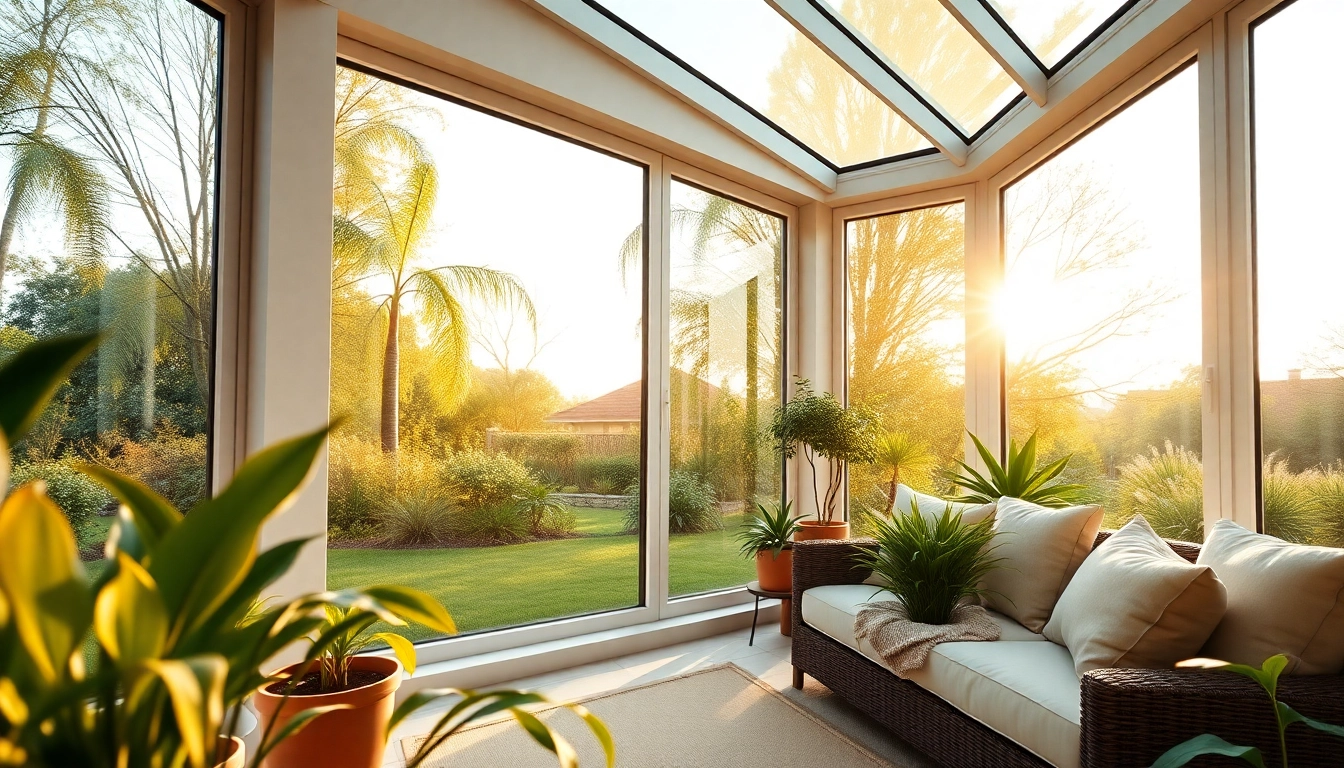
A sunroom, often referred to as a solarium or conservatory, is a versatile enclosed space that is designed to maximize natural light while providing shelter from the elements. Typically featuring large glass windows and skylights, sunrooms can serve a variety of purposes—from a simple nook for reading to an elegant space for entertaining guests. Constructed as an extension of the home, sunrooms add both aesthetic appeal and functionality, inviting the outdoors in year-round.
Benefits of Adding a Sunroom
Incorporating a sunroom into your home offers numerous benefits:
- Increased Natural Light: Sunrooms illuminate your interiors, enhancing mood and productivity.
- Improved Property Value: A well-designed sunroom can significantly raise your home’s market value.
- Versatile Use: Use it as a garden space, a family room, or a serene retreat—all year long.
- Connection with Nature: With glass walls, sunrooms provide panoramic views of your yard and garden.
- Energy Efficiency: Modern sunrooms can be designed for energy conservation, minimizing heating and cooling costs.
Types of Sunrooms to Consider
When thinking about a sunroom install, it’s essential to explore the different types available:
- Three-Season Sunrooms: Ideal for spring, summer, and fall, these can be less expensive but may require additional heating for winter.
- Four-Season Sunrooms: Designed for year-round use, they are typically equipped with better insulation and heating systems.
- Screened-In Porches: While not fully enclosed, these offer an outdoor feel without compromising comfort.
- Gable and Hip Roof Sunrooms: The roof style changes the look of the room and can affect its usability and feel.
- Modern Glass Sunrooms: Offering sleek designs, these are made mostly of glass and require high-quality materials for durability.
Preparing for Your Sunroom Install
Assessing Your Home’s Structure
Before beginning the installation process, evaluating your home’s existing structure is crucial. Look for the following:
- Foundation Quality: Ensure that your home’s foundation is strong enough to support the new sunroom.
- Utilities Access: Consider the placement of electrical outlets and heating/cooling systems.
- Design Compatibility: The style of the sunroom should match the aesthetics of your home to create a cohesive look.
Choosing the Right Location
Location plays a significant role in a sunroom’s functionality:
- Sun Exposure: Consider how much sunlight the space will receive throughout the day.
- View: Position your sunroom to take advantage of scenic views while maintaining privacy.
- Access: Ensure that the sunroom is easily accessible from your home’s main areas.
Planning Your Budget
Having a clear budget is crucial for managing a sunroom project effectively. Consider the following elements:
- Materials: Costs can vary significantly based on the materials you choose, including glass quality and framing options.
- Labor: If hiring professionals, factor in their fees and any additional costs for permits.
- Accessories: Don’t forget to budget for furnishings, heating/cooling options, and decor.
The Sunroom Install Process
Key Steps in the Installation
The process of installing a sunroom involves several key stages:
- Obtain Permits: Check local regulations for necessary building permits.
- Prepare the Site: Clear and level the area where the sunroom will be installed.
- Lay the Foundation: Pour concrete or use pre-fabricated blocks, depending on your design.
- Frame the Structure: Build the framework using wood or aluminum, following the design plan.
- Install Windows and Doors: Position the glass panels and entry points carefully to ensure proper insulation.
- Add Finishing Touches: Once the structure is in place, add flooring, painting, and furnishings as desired.
Hiring Professional Help vs. DIY
A common dilemma for homeowners is whether to tackle a sunroom installation as a DIY project or hire professionals. Here are the pros and cons of each approach:
- DIY:
- Pros: Cost savings, personal satisfaction, full control over the project.
- Cons: Requires significant time and effort, potential for mistakes, lack of expertise in construction.
- Hiring Professionals:
- Pros: Expertise, a faster process, warranty on work performed.
- Cons: Higher upfront costs, potential for miscommunication regarding vision.
Ultimately, your choice should depend on your skill level, budget, and the complexity of the project.
Common Challenges During Installation
Regardless of your method, challenges may arise, such as:
- Weather Delays: Unfavorable weather can halt construction. Schedule wisely.
- Structural Issues: Pre-existing problems in your home’s framework may complicate the installation.
- Material Availability: Delays in sourcing glass or framing materials must be anticipated.
Designing Your Perfect Sunroom
Interior Design Ideas for Sunrooms
Designing the interior of your sunroom enhances its overall appeal and functionality.
- Comfortable Seating: Include cozy furniture that encourages relaxation and socialization.
- Decorative Plants: Enhance the natural element of the sunroom with indoor greenery to breathe life into the space.
- Efficient Layout: Consider the flow of movement, ensuring it is conducive for interaction and activity.
Choosing Materials for Your Build
Material selection is pivotal for both aesthetics and durability. Key considerations include:
- Glass Options: Choose from tempered glass, low-E glass for energy efficiency, and tinted glass for privacy.
- Frame Materials: Wood offers warmth, while aluminum provides durability and a modern look.
- Roofing Materials: Decide between traditional glass roofs or newer, more energy-efficient polycarbonate panels.
Incorporating Energy Efficiency
Energy-efficient designs minimize heating and cooling costs:
- Insulated Windows: Use double or triple-pane glass to reduce heat transfer.
- Shading Solutions: Incorporate shades or curtains to manage sunlight and heat.
- Solar Systems: Consider installing solar panels if the roof design allows for it.
Frequently Asked Questions about Sunroom Install
What is the average cost of adding a sunroom?
The average cost of adding a sunroom ranges from $22,000 to $75,000, depending on size, materials, and design complexity.
How long does a sunroom installation take?
On average, a sunroom installation may take four to eight weeks, depending on design complexity and weather conditions.
Do I need a permit for my sunroom install?
Yes, most municipalities require a permit for sunroom installation, as it is considered a significant addition to your property.
What styles of sunrooms are popular?
Popular styles include contemporary glass designs, traditional gable roofs, and cozy three-season sunrooms, each offering unique benefits.
Can I use my sunroom year-round?
Four-season sunrooms are designed for year-round use, offering better insulation and heating options compared to three-season models.