
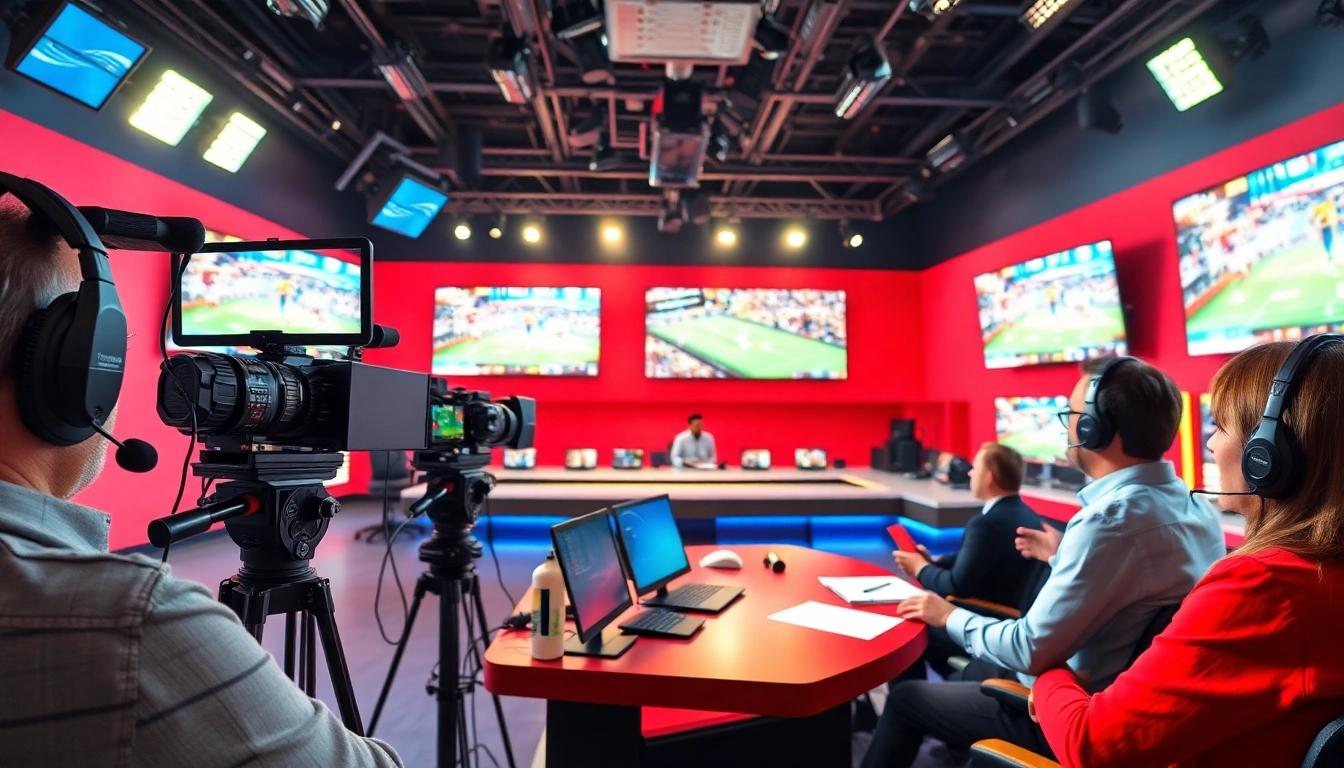
Understanding the Basics of Sports Broadcasting
Definition and Importance of Sports Broadcasting
Sports Broadcasting refers to the live transmission of sporting events through various platforms including television, radio, and online streaming. It plays a crucial role in bringing sports to audiences around the world, spurring fan engagement, promoting athletic talent, and supporting the economic ecosystem of the sports industry. The heart of Sports Broadcasting lies in its ability to entertain, inform, and connect fans with their favorite sports and athletes, making it an indispensable component of modern sports culture. For an in-depth look at the industry, visit Sports Broadcasting.
Key Roles in Sports Broadcasting
The sports broadcasting landscape is populated by various professionals, each bringing critical skills to the process. Key roles include:
- Commentators: These personalities provide play-by-play descriptions and analysis, enhancing the viewer experience.
- Producers: Responsible for orchestrating the entire broadcast, including camera angles, timing, and transitions.
- Camera Operators: Capture the action from multiple angles, ensuring that viewers can enjoy dynamic shots that capture the excitement of the game.
- Editors: Involved in post-production to enhance highlights and create engaging segments for viewers.
Types of Sports Broadcasts
There are several types of sports broadcasts catering to diverse audiences. They include:
- Live Broadcasts: Real-time coverage of events where audiences can follow the action as it happens.
- Highlight Shows: Programs that compile best moments and key plays from games.
- Documentaries: In-depth features that explore the journey of teams and athletes over time.
- Talk Shows: Panels that discuss events, player performances, and industry news.
Essential Equipment for Sports Broadcasting
Cameras and Lighting Setup
High-quality cameras are the backbone of sports broadcasting. The choice between fixed cameras and mobile units can heavily influence the effectiveness of a broadcast. Additionally, proper lighting is essential to ensure that viewers can see the action clearly, especially during evening games or in poorly lit venues. Advanced camera rigs, such as cranes and drones, provide unique angles that can captivate viewers. Furthermore, the use of LED lighting and controlled lighting setups can enhance video quality significantly.
Audio Equipment for Clear Commentary
Audio clarity can make or break a broadcast. High-quality microphones—both handheld and lapel—are essential for capturing commentary and crowd reactions. Additionally, headsets with noise-canceling features help commentators focus on their tasks without distractions from ambient sounds. The integration of audio mixing equipment ensures that the commentary, commentary, and ambient sounds are balanced perfectly, leading to an immersive viewing experience.
Software for Live Streaming and Editing
Software plays a vital role in both live broadcasting and post-production. Platforms like OBS Studio and Wirecast provide powerful tools for live streaming, allowing producers to incorporate graphics, transitions, and multiple camera feeds. For editing, software such as Adobe Premiere Pro and Final Cut Pro is essential for creating polished highlight reels and packaged shows that engage audiences long after the live event has ended.
Best Practices for Engaging Sports Broadcasting
Crafting Compelling Storylines
Every broadcast should tell a story. Whether it’s a historic rivalry, an underdog’s journey, or a player’s comeback from injury, these narratives captivate viewers and keep them engaged. Broadcasters should research backstories and highlight key statistics that enhance the storytelling aspect of the game.
Connecting with the Audience
Engagement goes beyond mere commentary. Broadcasters should interact with viewers through social media platforms, encouraging questions and comments during live broadcasts. Additionally, involving fan polls or integrating viewer messages can create a more community-centric atmosphere, enhancing the overall experience.
Utilizing Social Media for Promotion
Platforms like Twitter, Facebook, and Instagram are critical for promoting broadcasts and engaging audiences. Effective use of social media can create anticipation for upcoming events, provide behind-the-scenes content, and highlight player moments. Engaging graphics and snippets of exciting plays can drive traffic and increase audience size for live broadcasts.
Challenges in the Sports Broadcasting Industry
Dealing with Technical Issues
Technical difficulties are inevitable in broadcasting. From equipment malfunctions to connectivity issues, broadcasters must have contingency plans in place. Regular equipment checks, backup systems, and staff training can mitigate potential problems, ensuring smooth operations even during live events.
Adapting to Viewer Preferences
As viewing habits evolve, broadcasters must adapt their strategies. With the rise of streaming services and changing demographics, understanding viewer preferences is crucial. Surveys, analytics, and trend analysis can provide insights into what audiences want to see, allowing broadcasters to tailor their content accordingly.
Maintaining Content Quality
High standards of content quality must be upheld to retain viewer interest. This includes ensuring accurate information, providing insightful commentary, and delivering visually appealing broadcasts. Regular training for all staff members and feedback loops can help maintain these standards, fostering continuous improvement.
Measuring Success in Sports Broadcasting
Audience Engagement Metrics
Understanding viewer engagement is essential to measure success in sports broadcasting. Key metrics include viewership ratings, social media interactions, and audience demographics. Tools like Google Analytics and social media insights allow broadcasters to track engagement and adjust strategies effectively.
Analyzing Viewer Feedback
Gathering viewer feedback through surveys, focus groups, and social media can offer insights into audience preferences. Feedback helps identify strengths and weaknesses in the broadcasting strategy, enabling improvements to be made for future broadcasts.
Continuous Improvement Strategies
Continuous improvement is crucial in keeping up with the fast-paced nature of sports broadcasting. Regularly reviewing broadcasts, offering training for staff, and staying updated with the latest technology can foster an environment of innovation and excellence. Implementing lessons learned from previous events will enhance overall performance and audience satisfaction.
Frequently Asked Questions (FAQs)
What is Sports Broadcasting?
Sports Broadcasting is the live or recorded transmission of sporting events via television, radio, or online platforms, aimed at engaging fans and sharing sports narratives.
What roles are involved in Sports Broadcasting?
Key roles include commentators, producers, camera operators, and editors—each contributing to the overall broadcasting experience.
How can broadcasters engage audiences effectively?
Engagement can be fostered through storytelling, social media interaction, and creating interactive content that resonates with viewers.
What challenges do sports broadcasters face?
Common challenges include technical issues, adapting to shifting viewer preferences, and maintaining high content quality in broadcasts.
How do you measure success in Sports Broadcasting?
Success can be measured using audience engagement metrics, viewer feedback analysis, and continuous improvement strategies to refine broadcasts.
