Understanding Leak Detection
Leak detection is a critical aspect of home maintenance that ensures both the safety and efficiency of your domestic systems. By identifying leaks early, homeowners can prevent extensive damage and costly repairs. This practice involves using sophisticated technologies and techniques to pinpoint the location of leaks in piping systems, whether they are hidden within walls, under floors, or beneath the ground. For those seeking reliable solutions, Leak detection services offer comprehensive insights and effective methods to address issues before they escalate.
What is Leak Detection?
At its core, leak detection is the process of identifying and locating leaks—unwanted discharges of liquid or gas—within various systems. This is especially important in residential settings where plumbing systems are complex and can be prone to failure. Professional services utilize a range of modern technologies to detect leaks without invasive methods, preserving the integrity of your property.
Importance of Early Detection
Early leak detection can save homeowners significant amounts of money. Undetected leaks can lead to extensive water damage, mold growth, and even structural issues. In the case of gas leaks, the risks can be even more severe, potentially leading to dangerous explosions or health hazards. Thus, being proactive in monitoring for leaks is crucial for maintaining a safe and sound home environment.
Common Signs of Leaks in Homes
Homeowners should be vigilant for the following signs that may indicate the presence of a leak:
- Unexplained increases in water bills
- Damp spots on walls, ceilings, or floors
- Sounds of running water when fixtures are off
- Mold or mildew growth
- Stains around pipes or on the foundation
Advanced Technologies in Leak Detection
The field of leak detection has evolved significantly, thanks to advancements in technology. Modern methods are designed not only to identify leaks but also to minimize disruption to your home. This section explores some of the most effective techniques used in leak detection today.
Thermal Imaging Techniques
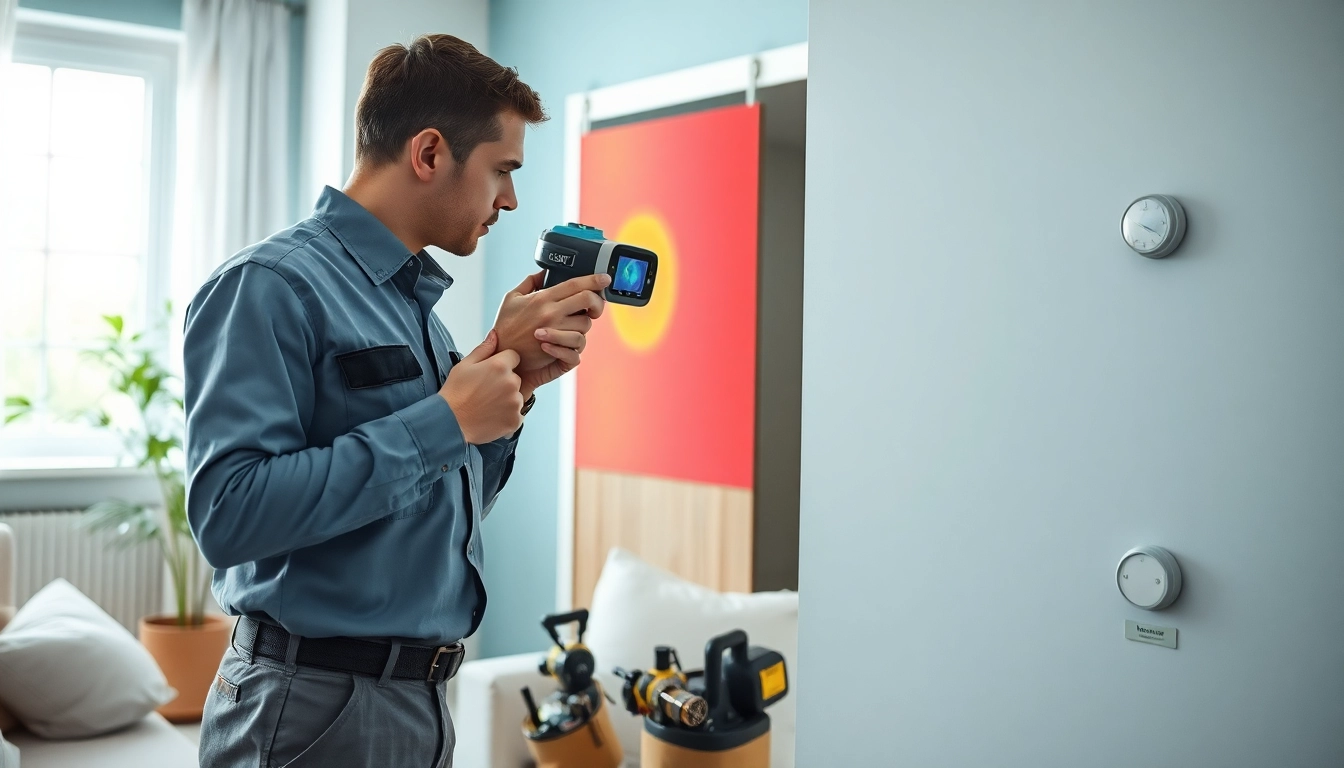
Thermal imaging cameras are a revolutionary tool in leak detection. These devices detect temperature differences in surfaces, enabling professionals to identify hidden leaks behind walls and under floors. When a leak occurs, the escaping fluid alters the temperature of the surrounding area, which thermal imaging can easily capture. This non-invasive method allows for quick and accurate assessments, significantly reducing the time required for leak detection.
Acoustic Listening Devices
Acoustic listening devices work by amplifying the sound of escaping water or gas in pipes. These devices can detect the faintest sounds of leaks, even in hidden or underground systems. By employing these tools, technicians can determine the precise location of a leak without invasive digging or demolition, making it an ideal choice for homeowners concerned about property preservation.
Pressure Testing Methods
Pressure testing involves isolating sections of piping to monitor pressure changes. If a drop in pressure is detected, it indicates a leak in that segment. This method is particularly effective for water supply lines and can pinpoint leaks without requiring physical access to the pipes themselves.
Types of Leaks and Their Impact
Understanding the different types of leaks is important for homeowners, as each type poses unique risks and solutions. This section details the primary types of leaks you may encounter in a residential setting.
Water Leaks: Consequences and Solutions
Water leaks can cause immeasurable damage to your home, leading to issues such as mold growth, structural damage, and increased utility bills. Common sources of water leaks include:
- Burst pipes due to freezing or corrosion
- Faulty fixtures or appliances
- Worn-out seals in faucets and toilets
To mitigate the impact of water leaks, consider regular maintenance checks and immediate professional assistance when leaks are suspected.
Gas Leaks: Safety Risks and Detection
Gas leaks are extremely hazardous and can lead to severe consequences, including explosions or poisoning. Signs of a gas leak may include a rotten egg smell, hissing sounds, or dead vegetation near gas lines. Immediate action is crucial; if you suspect a gas leak, evacuate the area and contact emergency services. Professional leak detection services utilize advanced technologies like gas detectors and tracer gases to locate leaks quickly and safely.
Heating System Leaks: Preventative Measures
Leaking heating systems can lead to inefficiencies and high energy costs. Common leak locations include boiler systems, radiators, and underfloor heating installations. Regular inspections and maintenance can prevent leaks, and promptly addressing minor issues can avoid larger problems down the road. Consider investing in comprehensive leak detection services that include heating systems to ensure optimal performance and safety.
Choosing a Leak Detection Service
When selecting a leak detection service, homeowners should consider several factors to ensure they choose a reliable provider. It’s essential to find a service that understands the complexities of leak detection and offers a variety of techniques tailored to your needs.
What to Look for in a Professional Service
Key considerations include:
- Certification and experience of technicians
- Range of technologies and methods offered
- Customer reviews and testimonials
- Transparency in pricing and services
Choosing a service that meets these criteria can give you confidence in their ability to handle your leak detection needs effectively.
Benefits of Non-Invasive Techniques
Non-invasive leak detection methods offer numerous advantages, including:
- Minimal disruption to your property
- Faster identification and resolution of leaks
- Preservation of existing structures and finishes
By opting for non-invasive techniques, homeowners can save both time and money while ensuring their homes remain intact.
Understanding Cost and Value
Leak detection services vary widely in cost, influenced by factors like the complexity of the leak, location, and chosen methods of detection. It’s essential to understand that investing in timely leak detection can prevent more severe damage and costly repairs in the future. When comparing prices, consider not just the initial cost but also the long-term savings from avoiding significant water damage or other related issues.
Future Trends in Leak Detection
As technology advances, so too does the field of leak detection. Staying informed about emerging trends can help homeowners make better decisions regarding leak prevention and detection.
Emerging Technologies for 2025
Future leak detection technologies will likely focus on increasing automation and connectivity. Innovations such as AI algorithms for pattern recognition in leak detection and real-time monitoring systems promise to enhance efficiency. This may include integrating sensors within plumbing systems that can alert homeowners instantly to signs of leaks, allowing for immediate action.
Environmental Considerations and Sustainability
With the growing emphasis on sustainability, future leak detection methods will likely prioritize eco-friendly practices. This may include minimizing water waste, utilizing biodegradable materials, and employing energy-efficient technologies. Homeowners should consider companies that adopt these environmentally responsible practices.
How Smart Home Integration is Changing the Game
Smart home integration is revolutionizing the way leak detection is approached. Systems equipped with IoT (Internet of Things) capabilities can monitor water usage and detect anomalies in real-time, sending alerts to homeowners via mobile devices. This proactive approach is essential for preventing water damage and maintaining home safety.