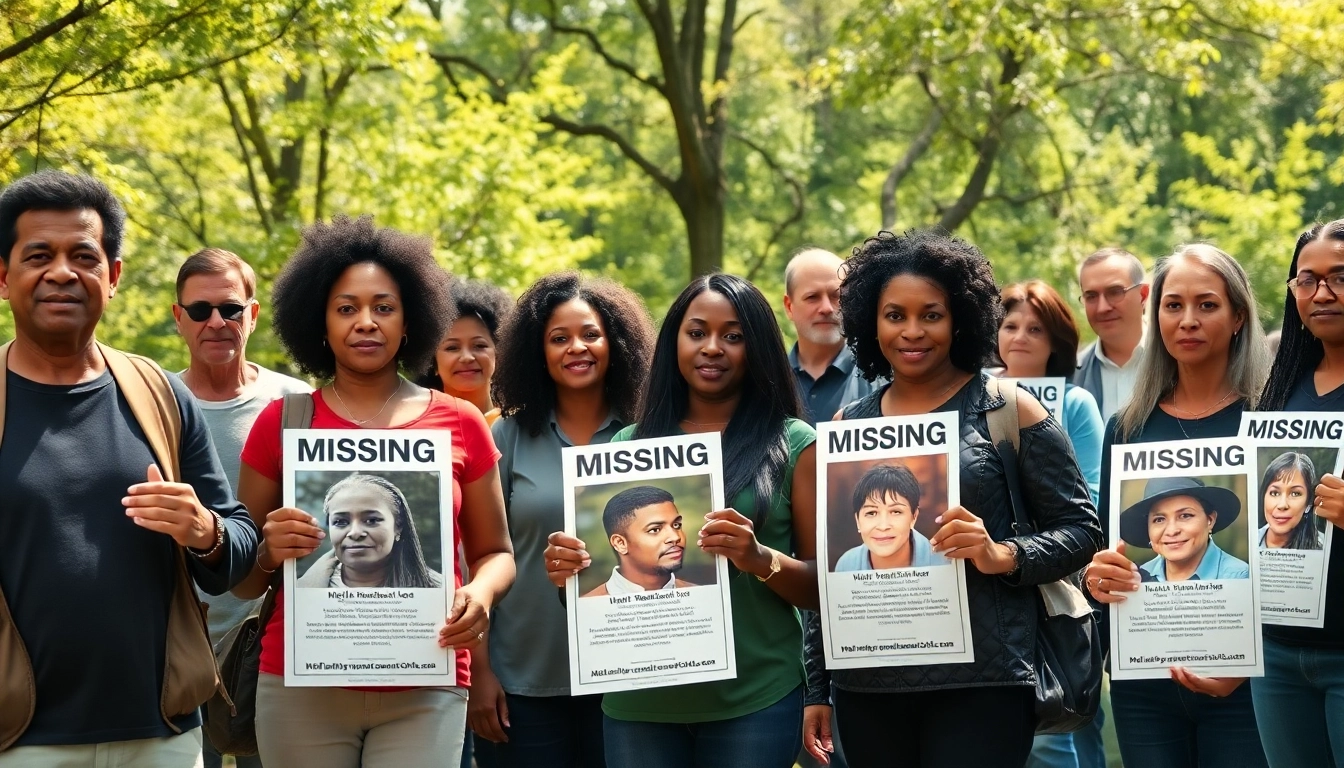
Understanding the Context of Missing Adults North Carolina
The issue of missing adults is a profound and troubling concern in North Carolina, as it is across the nation. Trends fluctuate, but the emotional and logistical ramifications for families and communities are overwhelming. To combat this crisis effectively, we must understand the statistics, causes, and impacts associated with missing adults in the state. A clear grasp of these elements will facilitate better engagement and resource allocation, especially when seeking solutions to this sensitive issue. For detailed resources, you can find helpful information about missing adults north carolina.
Statistics and Trends
Statistics regarding missing adults in North Carolina reveal alarming trends. According to the latest reports, thousands of adults go missing each year. The most affected demographics often include adults aged 18-30, many of whom are found within weeks or months but remain largely unaccounted for under various circumstances.
Trends show that many cases involve individuals who have left due to personal crises, mental health issues, or domestic situations. The regions most impacted vary, with urban areas experiencing significant reports due to the higher population density and complexity of social issues. Public data can be crucial for local law enforcement and community organizations to allocate resources effectively and prioritize areas in need of focused outreach.
Common Causes
Understanding the common causes behind missing adults can help tailor effective interventions. Factors contributing to adults going missing include:
- Mental Health Issues: Many individuals suffering from mental illness may leave their homes or communities without notifying others.
- Substance Abuse: Addiction can lead individuals to disconnect from their lives, increasing the chances of going missing.
- Domestic Violence: Survivors may escape abusive situations, resulting in their disappearance.
- Life Transitions: Events such as job loss, divorce, or financial difficulties can trigger a desire to leave everything behind.
- Accidental Causes: Some individuals may become lost during outdoor activities or fail to return from trips.
The Impact on Families
The emotional, psychological, and financial toll on families of missing adults is profound. Families often experience a mix of fear, anxiety, and hopelessness as they search for their loved ones. In many cases, the trauma of uncertainty can lead to long-term mental health issues. Families also face potential financial strain due to unpaid bills, interruptions in daily routines, and expenses tied to search efforts.
Grief counseling and support groups are essential resources for families navigating this process. Establishing networks where those affected can share experiences helps normalize their feelings and provide a sense of community and hope.
Community Resources for Reporting
The journey of seeking a missing adult begins with prompt and clear reporting. Communities can facilitate this process through a series of resources and established protocols.
How to Report a Missing Adult
If someone you know goes missing, contacting local law enforcement is the first critical step. Information needed includes a recent photograph, physical description, contact details, and any known circumstances surrounding their disappearance. The earlier you report an individual missing, the greater the chances of a successful resolution.
Local Law Enforcement Involvement
Local law enforcement agencies are often the primary responders in missing adult cases. They are equipped with investigative resources and networks to conduct searches effectively. Building rapport with local law enforcement officials enhances community engagement, longevity in outreach strategies, and problem-solving approaches.
Non-Profit Organizations Helping Families
Several non-profit organizations are dedicated to assisting families of missing adults. These groups offer emotional support, legal advice, and strategies to aid in search efforts. Establishing partnerships with these organizations can significantly enhance community awareness and foster an atmosphere of support and proactive engagement.
Avenue for Awareness
Awareness is crucial in the fight against cases of missing adults. Communities must adopt creative and effective strategies for outreach and knowledge dissemination.
Effective Community Outreach Strategies
Creative community outreach can involve the organization of events such as candlelight vigils, workshops, and public forums aimed at educating citizens on the complexities of missing adult cases. Collaborating with local businesses can also expand resources and visibility for promotional efforts.
Utilizing Social Media for Awareness
Social media serves as a powerful tool for spreading awareness of missing adults. Platforms like Facebook and Twitter can facilitate information sharing among community members and help mobilize search efforts. Creating dedicated pages to share updates and gather support is effective in efforts to locate missing individuals.
Creating Support Networks
Fostering support networks among families affected by missing adults can create significant emotional and logistical resources. Organizing meetups and forming online groups allows families to share insights, strategies, and mutual encouragement, promoting resilience and healing.
Best Practices for Prevention
Prevention is the ultimate goal in reducing the issue of missing adults. By promoting trust, education, and community engagement, we can foster an environment that better safeguards residents.
Building Trust in the Community
Building trust within communities is crucial. Law enforcement agencies should create approachable and transparent relationships with citizens. Regular community meetings, outreach, and engagement scenarios are critical to developing this trust, ultimately enhancing the effectiveness of search and report efforts when someone goes missing.
Safety Education and Training
Implementing safety education programs within schools and communities can equip individuals with critical skills and knowledge for protecting themselves. Workshops on situational awareness, self-defense, and coping strategies can empower community members to face challenges proactively.
Community Engagement Activities
Facilitating community engagement activities such as neighborhood watch programs, volunteer fairs, and open forums fosters a sense of shared responsibility. These activities encourage citizens to participate actively in the safety and well-being of their neighborhoods, laying the groundwork for reporting missing adults effectively.
FAQs about Missing Adults North Carolina
What should I do if someone I know goes missing?
If someone goes missing, report it to local authorities immediately. Provide as much information as possible about the individual, including a description and the circumstances surrounding their disappearance.
How can communities help in search efforts?
Communities can organize search parties, distribute flyers, and utilize social media to share information about the missing person. Collaboration with local law enforcement is crucial for efficient search efforts.
What role do law enforcement agencies play?
Law enforcement investigates missing persons cases, deploys search teams, and coordinates with community organizations to locate missing adults effectively. Their involvement is essential in mobilizing resources.
Are there resources available for families?
Yes, numerous non-profit organizations offer support services, including counseling, educational resources, and legal advice for families of missing adults to help navigate the challenges they face.
How can I raise awareness in my community?
Raise awareness by organizing community events, using social media to share missing person cases, and collaborating with local organizations to educate others about the signs and implications of missing adults.