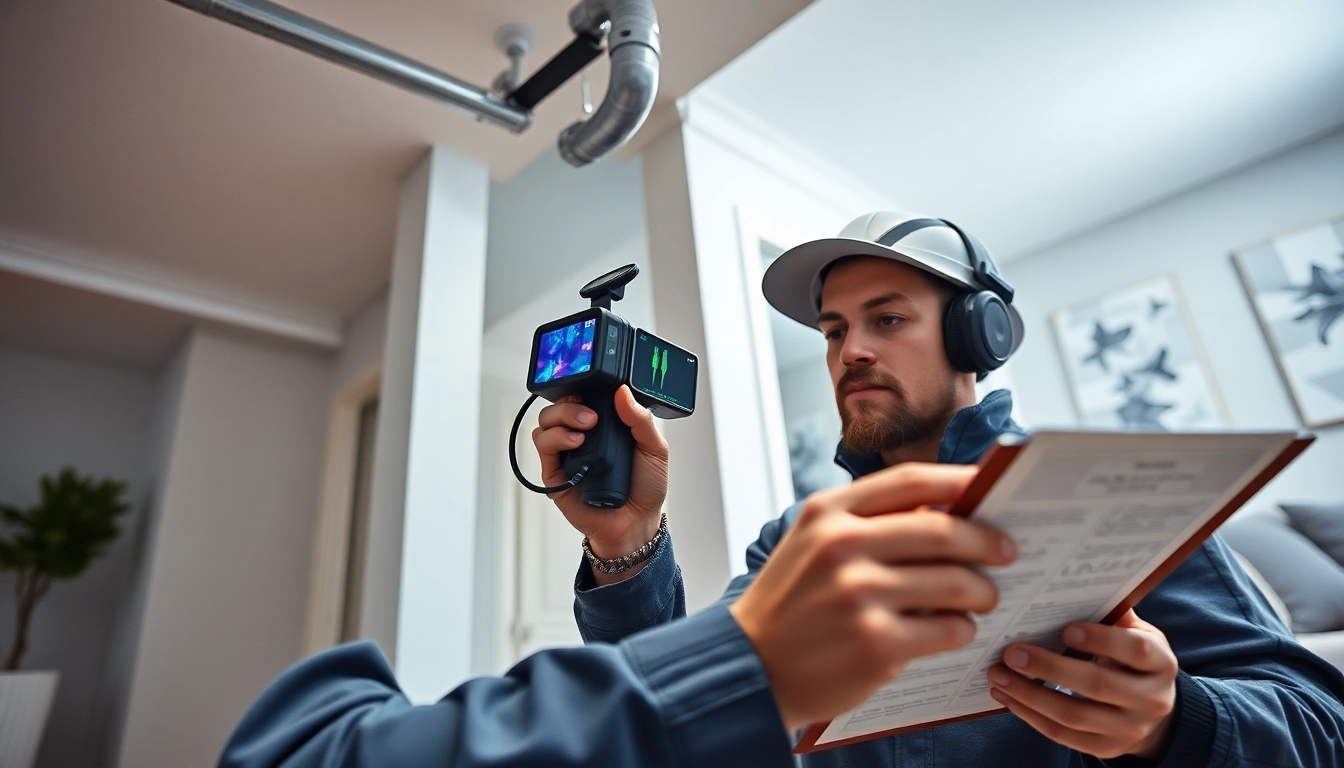

Understanding the Basics of Residential Carpet Installation
Residential carpet installation is a critical aspect of home renovation that not only enhances the aesthetics of your living space but also contributes to comfort and warmth. Whether you are a homeowner looking to update your flooring or a professional seeking to understand more about the industry, grasping the essentials of residential carpet installation is key. In this comprehensive guide, we will explore everything from types of carpets to the installation process and the latest trends shaping this field. When exploring options, Residential carpet installation offers comprehensive insights into the available services and choices.
What is Residential Carpet Installation?
Residential carpet installation involves laying down carpet flooring in homes, ensuring that every step is performed with precision and adherence to safety standards. This process can be carried out by professional installers or as a DIY project, depending on the skill level of the homeowner. The primary goal is to provide a comfortable, durable, and visually appealing floor covering that meets the needs of the residents.
Common Types of Carpets and Their Benefits
Choosing the right type of carpet is crucial for both functionality and aesthetic appeal. Common types include:
- Berber Carpets: Known for their durability and resistance to wear, Berber carpets are made from looped fibers and are ideal for high-traffic areas.
- Plush Carpets: These carpets offer a luxurious feel and are soft underfoot, making them perfect for bedrooms and living rooms.
- Frieze Carpets: With a tightly twisted fiber, Frieze carpets are resistant to matting and are great for both traditional and modern homes.
- Carpet Tiles: These provide a versatile option, allowing homeowners to mix and match colors and patterns for a unique look.
Preparing Your Space Before Installation
Clearing the Area for Installation
Preparation is key to a successful carpet installation. Begin by removing all furniture and existing flooring material. This clears the space and allows the installer to work efficiently. Additionally, ensure that the subfloor is clean and in good condition, as this will affect the longevity of your new carpet.
Measuring Your Space Accurately
Accurate measurements are essential for purchasing the correct amount of carpet. Use a measuring tape and consider measuring length and width in feet. Multiply these two figures to determine the total square footage of the area. Always add an extra 10% to account for waste and mistakes.
Choosing the Right Carpet Padding
Carpet padding is often overlooked, but it plays a vital role in the installation process. The padding serves as a cushion that helps absorb shock, adds insulation, and extends the lifespan of the carpet. When selecting padding, consider the thickness and density, ensuring it complements your chosen carpet type for optimal performance.
The Installation Process: Step-by-Step Guide
Removing Old Carpet Effectively
When replacing existing carpet, start by removing it methodically. Cut the carpet into strips for easier handling and removal. Make sure to dispose of the old carpet responsibly, as many recycling programs accept carpet materials.
Installing New Carpet: Techniques and Tips
The installation of new carpet typically involves the following steps:
- Position the Padding: Lay down the carpet padding, ensuring it is secured with staples or adhesive as needed.
- Roll Out the Carpet: Unroll the carpet over the padding, allowing it to acclimate to the room’s temperature and humidity for at least 24 hours.
- Trim to Fit: Using a utility knife, trim the edges of the carpet to fit snugly against walls and corners.
- Smoothing and Securing: Use a knee kicker to stretch the carpet towards the walls, securing it in place with tack strips.
Post-Installation Cleaning and Maintenance
After installation, it’s important to properly clean and maintain your new carpet. Vacuum regularly to remove dirt and debris, and schedule deep cleaning every 12-18 months to keep it looking fresh. Address stains immediately to prevent permanent damage.
Understanding Costs and Budgeting for Your Carpet Project
Average Costs of Residential Carpet Installation
The cost of residential carpet installation can vary significantly based on several factors, including the type of carpet chosen, the size of the area, and labor costs. On average, homeowners can expect to pay anywhere from $2 to $7 per square foot for materials and installation. Additionally, high-end carpets may incur additional costs due to their specialized installation requirements.
Factors Affecting Installation Prices
Several factors can influence the overall cost of your carpet installation project:
- Carpet Quality: Higher-quality carpets typically cost more but offer better durability and aesthetics.
- Room Shape: Irregular room shapes may require more labor and material, affecting costs.
- Installation Method: Choosing between professional installation and DIY will also impact your budget.
Tips for Staying Within Budget
To manage your carpet installation budget effectively, consider the following tips:
- Shop during sales or end-of-season discounts for better deals.
- Get multiple quotes from different contractors to find competitive pricing.
- Consider carpet tiles or remnants for smaller spaces to reduce costs.
Future Trends in Carpet Installation for Homes
Eco-Friendly Carpet Options for 2026
As sustainability becomes increasingly important, eco-friendly carpet options are emerging as a popular choice. Look for carpets made from recycled materials or natural fibers, which not only reduce environmental impact but also provide a healthier indoor environment.
Technological Innovations in Carpet Installation
Advancements in technology are transforming carpet installation. From virtual room planners to tools that ensure precision cuts, these innovations streamline the process, making it faster and more efficient for homeowners and contractors alike.
Choosing Carpets for Modern Home Design
Modern homes often feature minimalist and sleek designs, prompting a shift towards carpets with simple patterns and neutral colors that complement contemporary aesthetics. When selecting carpets, consider texture and durability to ensure they withstand daily wear while enhancing your home’s design.
Frequently Asked Questions about Residential Carpet Installation
How Long Does Residential Carpet Installation Take?
The duration of a carpet installation can vary based on the project size and complexity. Typically, an average room can be completed within a few hours, while larger spaces may take a full day or more.
What Should I Do if My Carpet Gets Damaged?
In case of damage, assess the situation promptly. Minor issues such as stains can often be treated with appropriate cleaning methods, while larger damages may require patching or professional repair.
Can I Install Carpet Myself?
While DIY carpet installation is possible, it requires specific tools and skills. If you are not confident in your abilities, hiring a professional may save time and ensure a quality finish.
What are the Best Carpet Styles for Homes?
The best styles for homes often depend on personal preference and the home’s overall design. Plush styles are great for comfort, while Berber is ideal for high-traffic areas. Consider functionality alongside aesthetics when making your decision.
How to Maintain My New Carpet?
Regular maintenance, including vacuuming, spot cleaning, and professional deep cleaning, will extend the life of your carpet. Be proactive in addressing spills or stains to maintain its appearance.