Smart Home systems have transformed the way people interact with their living spaces, offering unprecedented levels of comfort, efficiency, security, and control. Modern households are no longer limited to basic manual controls. Instead, intelligent automated environments respond to voice commands, mobile apps, and even predictive behavior. At Deep Dive Picks, we evaluate evolving technologies so consumers can make confident, informed decisions. Understanding how a Smart Home works and what makes a system truly complete is essential for anyone looking to upgrade their living environment.
The rise of full-scale home automation has been driven by rapid advancements in artificial intelligence, wireless connectivity, and sensor technologies. A well-designed Smart Home system connects lighting, climate control, security, entertainment, and appliances into a seamless ecosystem. This integration allows homeowners to personalize and automate everyday routines, significantly improving convenience while reducing energy waste. Complete home automation is not just about owning connected devices, but creating a synchronized experience that adapts to lifestyle patterns.
Understanding Smart Home Systems and Complete Automation
A Smart Home system is built around the concept of centralized control. Rather than managing individual devices separately, users operate a unified system that coordinates multiple functions. A smart hub acts as the command center, allowing interconnected devices to communicate through wireless protocols such as Wi-Fi, Bluetooth, Zigbee, and Z-Wave. This foundation makes full home automation possible by ensuring that every device works together without conflict or delay.
Complete automation goes beyond simple remote control. It introduces intelligent routines and conditional responses. For example, when sensors detect motion at night, the system automatically activates outdoor lights and adjusts indoor climate settings. When residents leave the house, the Smart Home can lock doors, lower thermostats, and arm security systems automatically. These behaviors are created through automation rules that respond to time, location, or sensor data.
An important element of a modern Smart Home system is adaptability. As technology evolves, systems can be expanded with new devices without requiring major structural changes. This scalability allows homeowners to start with basic automation and gradually build a comprehensive network. This is one of the defining characteristics of a complete home automation solution.
Core Components of a Complete Smart Home System
A reliable Smart Home system depends on several foundational components working in harmony. The smart hub is the central brain of the system. It processes commands, schedules automations, and facilitates communication between devices. Without a capable hub, automation would be fragmented and inefficient.
Smart lighting is one of the most widely adopted automation features. Lighting systems in a Smart Home allow users to dim lights, change colors, and schedule automatic on and off times. These features contribute to energy savings while also supporting mood lighting and security through simulated occupancy.
Climate control systems are another vital element. Smart thermostats learn daily routines and adjust heating and cooling accordingly. In a complete Smart Home, climate control responds not only to schedules but also to occupancy sensors, weather data, and indoor air quality readings. This results in perfect comfort while minimizing energy consumption.
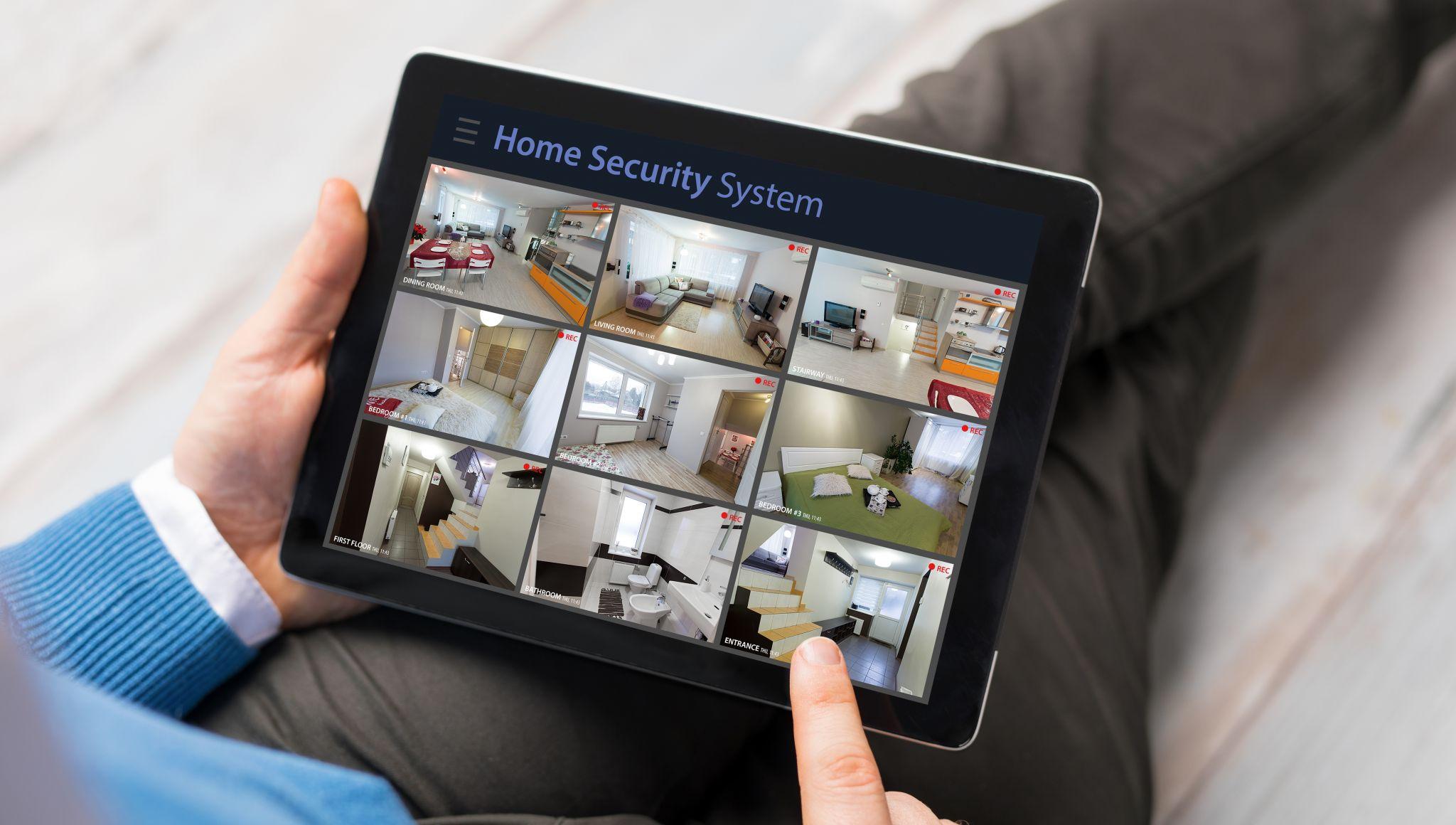
Security and surveillance technologies are central to modern automation. Cameras, motion sensors, door and window sensors, and smart locks work together inside a Smart Home environment to create a robust security network. Homeowners receive real-time alerts and can monitor their property remotely from anywhere in the world.
Smart entertainment systems further enhance the living experience. Automated home theaters, multi-room audio, and voice-controlled televisions give residents full control over their entertainment. In a complete Smart Home, these systems integrate with lighting and climate to create immersive cinematic or gaming environments.
How Smart Home Systems Enable Seamless Daily Living
The greatest advantage of a Smart Home lies in its ability to simplify daily routines. Morning routines can be automated so that lights gradually brighten, curtains open automatically, and climate settings adjust to comfortable wake-up temperatures. Coffee makers and smart appliances can start operating at predefined times, creating a smooth and stress-free beginning to the day.
Evening routines are equally efficient within a Smart Home system. Lights can dim automatically, doors can lock themselves, and security systems can arm without manual input. These automated routines reduce the need for repetitive tasks and allow homeowners to focus on more meaningful activities.
Voice control has become a dominant feature of modern Smart Home systems. Through voice assistants integrated into the system, homeowners can control devices without touching a button. Voice commands can trigger complex automations that previously required multiple manual steps. This hands-free control represents a major leap in accessibility and convenience.
Mobile access ensures that a Smart Home is never out of reach. With secure applications, users can control every aspect of their homes from a smartphone or tablet. Whether adjusting the thermostat from work or checking cameras while traveling, remote access provides peace of mind and total control.
Energy Efficiency and Sustainability in Smart Home Automation
Energy efficiency is one of the most impactful benefits of a Smart Home system. Traditional homes waste large amounts of electricity due to inefficient lighting, heating, and appliance use. Automated systems reduce this waste by optimizing how and when devices operate.
Smart thermostats continuously learn household patterns and adjust temperatures to avoid unnecessary heating or cooling. In a Smart Home, lighting systems automatically turn off when no one is present in a room. These intelligent behaviors significantly reduce electricity bills while promoting sustainable living.
Water management technologies are also becoming an important part of complete automation. Smart irrigation systems and water leak detectors monitor usage and prevent waste. Within a Smart Home, these systems respond instantly to abnormal water flow, preventing costly damage and conserving resources.
Sustainability extends beyond energy savings. A Smart Home supports environmentally conscious living by integrating with renewable energy sources such as solar panels. Automated systems can shift power usage to times when solar generation is highest, maximizing clean energy usage and minimizing reliance on traditional power grids.
Smart Home Security and Privacy Protection
Security is a top priority for any homeowner, and a Smart Home system elevates protection to a new level. Integrated security systems use multiple layers of defense, combining cameras, sensors, alarms, and access control technologies. This creates a comprehensive security environment that actively monitors the home.
Real-time alerts are a crucial feature of a Smart Home security system. When unusual activity is detected, homeowners receive instant notifications. This allows them to assess situations quickly and take appropriate action, even when they are far from home.
Privacy is another essential aspect of modern automation. A well-designed Smart Home uses encrypted communication protocols to protect data. Secure authentication methods such as biometric access and multi-factor authentication prevent unauthorized users from gaining control of the system.
User control over data is becoming increasingly important. Advanced Smart Home platforms allow homeowners to manage how data is collected, stored, and shared. This transparency builds trust and ensures that automation does not come at the cost of personal privacy.
Installation Approaches and System Integration
Installing a complete Smart Home system can be approached in different ways depending on the size of the property and the desired level of automation. Some homeowners choose professional installation to ensure optimal performance, while others opt for modular, plug-and-play solutions that allow gradual expansion.
Wired automation systems are typically used in new construction or full renovations. These systems offer higher reliability and lower latency because they do not rely entirely on wireless signals. In contrast, wireless Smart Home systems provide flexibility and ease of installation, making them ideal for existing homes.
Integration is a critical factor in system performance. A fragmented setup can limit the capabilities of a Smart Home, while a well-integrated system delivers smooth and consistent automation. Compatibility between devices, hubs, and communication protocols ensures that every part of the system operates in harmony.
Long-term maintenance should also be considered during installation. A scalable Smart Home system allows new devices and technologies to be added without replacing the entire infrastructure. This future-proof approach protects the homeowner’s investment and keeps the system relevant as automation technology evolves.
Challenges and Limitations of Smart Home Systems
Despite the many advantages, Smart Home systems are not without challenges. One of the most common concerns is cost. High-end automation solutions can be expensive, especially when integrating advanced security and entertainment systems. However, long-term energy savings and increased property value often offset the initial investment.
Technical complexity can also be a barrier for some users. Configuring automation rules and managing interconnected devices may feel overwhelming. Modern Smart Home platforms are addressing this issue by introducing user-friendly interfaces and guided setup processes that simplify system management.
Interoperability remains a challenge within the industry. Not all devices are compatible with every hub or platform. A well-planned Smart Home system requires careful selection of devices that support open standards and proven communication protocols.
Another limitation is dependence on internet connectivity. Cloud-based automation features rely on stable internet access. To address this concern, many Smart Home systems now include local control options that ensure critical functions continue operating even during connectivity disruptions.
The Role of Artificial Intelligence in Smart Home Automation
Artificial intelligence is revolutionizing the functionality of a Smart Home system. Machine learning algorithms analyze user behavior and environmental data to optimize automation routines. Over time, the system becomes more accurate and personalized, delivering a truly intelligent living experience.
Predictive automation is one of the most impressive outcomes of AI integration. In an advanced Smart Home, the system anticipates user needs before commands are given. For example, it can start cooling a room before the homeowner arrives or prepare lighting conditions based on daily habits.
Natural language processing has improved voice control capabilities. Voice assistants within a Smart Home now understand more complex commands and conversational language. This creates a more natural and intuitive interaction between users and their automated environment.
AI also plays a major role in security analytics. Intelligent Smart Home systems can distinguish between normal and suspicious activity, reducing false alarms while improving overall protection.
Smart Home Systems and Property Value
Installing a Smart Home system can significantly increase property value. Modern buyers are increasingly attracted to homes with built-in automation and security features. A well-implemented system signals that the property is technologically advanced, energy-efficient, and secure.
Real estate trends show that smart-enabled properties often sell faster than traditional homes. Features such as automated lighting, smart climate control, and integrated security make a home more appealing to potential buyers. A complete Smart Home setup can therefore be seen as both a lifestyle improvement and a financial investment.
Luxury properties frequently incorporate high-end Smart Home systems as a standard feature. These systems provide seamless control of every aspect of the home, from entertainment to privacy controls, creating an exclusive living experience.
Future Trends in Smart Home Technology
The future of Smart Home systems is focused on deeper integration, stronger security, and more intuitive control. Emerging technologies are making automation more accessible and affordable for a wider audience.
Edge computing is expected to play a larger role by processing data locally rather than relying entirely on cloud services. This advancement will make Smart Home systems faster, more secure, and less dependent on internet connectivity.
Sustainability will remain a central theme. Future Smart Home solutions will further optimize energy usage, integrate with smart grids, and support electric vehicle charging. Homes will become active participants in broader energy management ecosystems.
Health-focused automation is another growing trend. Advanced Smart Home systems will monitor air quality, humidity levels, and even sleep patterns, contributing to healthier living environments.
Choosing the Right Smart Home System
Selecting the right Smart Home system requires careful evaluation of household needs, budget, and long-term goals. A complete home automation setup should be scalable, secure, and easy to manage.
Compatibility should always be a top priority. Investing in devices that support widely adopted standards ensures that the Smart Home remains flexible and future-ready. This reduces the risk of obsolescence and improves overall system reliability.
User experience is equally important. A truly effective Smart Home system should feel intuitive rather than complicated. Streamlined interfaces, clear automation controls, and responsive support contribute to a satisfying user experience.
At Deep Dive Picks, we emphasize research-backed insights so readers can confidently navigate the complex world of home automation and select systems that deliver genuine value.
Conclusion
A complete Smart Home system represents the future of modern living. By integrating lighting, climate control, security, entertainment, and intelligent automation, homeowners can experience unmatched convenience, efficiency, and safety. As technology continues to evolve, Smart Home solutions will become more intelligent, secure, and personalized. Investing in a well-designed system is not just an upgrade, but a long-term improvement to comfort, sustainability, and lifestyle. Deep Dive Picks remains committed to delivering expert insights that help users make informed decisions about building and optimizing their automated living spaces. You’ll find more useful information on our main page.
Frequently Asked Questions (FAQs)
What is a Smart Home system?
A Smart Home system is a network of connected devices that work together to automate and control household functions such as lighting, climate, security, and entertainment through centralized control and intelligent automation.
How secure are Smart Home systems?
Modern Smart Home systems use encryption, secure authentication, and real-time monitoring to protect against unauthorized access. When properly configured, they provide a high level of security and privacy.
Can a Smart Home work without internet?
A Smart Home can perform basic functions without internet through local control, but advanced features such as remote access and cloud-based automation typically require a stable internet connection.
Are Smart Home systems difficult to install?
Many Smart Home systems are designed for simple installation with guided setup processes, while more complex systems can be professionally installed for seamless integration and optimal performance.
Do Smart Home systems increase property value?
Yes, a professionally installed Smart Home system can increase property value by making the property more attractive, energy-efficient, and secure for potential buyers.